
The True Cost of Skipping Preventative Maintenance on Heavy Equipment in Alberta
Every hour your heavy equipment sits idle on a job site costs you money. But here’s what most Alberta contractors don’t account for until it’s too late — the equipment that breaks down unexpectedly almost always had warning signs that a proper heavy equipment preventative maintenance program in Calgary would have caught.
Skipping or delaying scheduled maintenance might feel like a cost saving in the short term. In practice, it’s one of the most expensive decisions a contractor or fleet operator can make. In this post we break down exactly what deferred maintenance costs you, what a proper PM program looks like, and why investing in preventative maintenance pays for itself many times over.
What Is Heavy Equipment Preventative Maintenance?
Preventative maintenance — or PM — is a scheduled program of inspections, fluid changes, filter replacements, and system checks performed at regular intervals to keep your equipment running at peak performance.
Unlike reactive maintenance, which addresses problems after they’ve already caused a breakdown, preventative maintenance catches developing issues before they become costly failures. Think of it the same way you think about changing the oil in your truck — you don’t wait until the engine seizes to service it.
For heavy equipment operating in Alberta’s demanding conditions — extreme cold, dusty job sites, long operating hours — a structured PM schedule isn’t optional. It’s the foundation of a reliable fleet.
The Real Cost of Skipping Preventative Maintenance
Let’s put some numbers behind the decision to defer maintenance:
Unplanned downtime is the most immediate cost. A machine that breaks down mid-project doesn’t just cost you the repair bill — it costs you the lost production hours, the delayed project timeline, the crew standing idle, and in some cases, liquidated damages if you miss a contract milestone.
Accelerated wear is the hidden cost. Running equipment past its service intervals causes accelerated wear on engine components, hydraulic systems, and undercarriage parts. What would have been a filter change becomes a pump replacement. What would have been a track adjustment becomes a full undercarriage rebuild.
Reduced resale value hits you at the end of the machine’s life. Equipment with documented, consistent service history commands significantly higher resale prices than machines with no records. Buyers and dealers know the difference — and so does your depreciation schedule.
Voided warranties can be a costly surprise. Most equipment manufacturers require documented maintenance at specified intervals to maintain warranty coverage. Missing those intervals can void your warranty at exactly the moment you need it most.
What a Heavy Equipment Preventative Maintenance Program Covers
A proper PM program for heavy equipment in Calgary and Alberta should include the following at a minimum:
- Engine oil and filter changes at manufacturer-specified intervals
- Hydraulic fluid and filter service
- Coolant system inspection and flush
- Air filter service and replacement
- Fuel system inspection and water separator service
- Undercarriage inspection — track tension, roller condition, sprocket wear
- Greasing and lubrication of all service points
- Belt and hose inspection
- Electrical system check
- Full machine inspection report with documented findings
Every machine is different. Service intervals vary by manufacturer, equipment type, and operating conditions. A qualified technician should assess your specific machines and build a PM schedule around your actual operating hours and environment.
How Often Should Heavy Equipment Be Serviced in Alberta?
Most heavy equipment requires a basic service — oil, filters, greasing — every 250 to 500 operating hours. More comprehensive inspections typically happen at 500, 1,000, and 2,000-hour intervals depending on the manufacturer’s recommendations.
For equipment operating in Alberta’s harsh winters, dusty summer conditions, or high-hour environments like oil sands support work or civil construction, more frequent inspections are often warranted. Cold starts in January put significant stress on engines and hydraulics — a pre-season inspection before the ground thaws is always money well spent.
Preventative Maintenance vs Reactive Repair — The ROI
The math on preventative maintenance is straightforward. A typical PM service on a mid-size excavator runs a fraction of the cost of a major hydraulic repair, engine overhaul, or undercarriage rebuild. The machines that avoid those major repairs almost universally have consistent PM histories.
Reactive repair will always cost more than prevention — in parts, in labour, in downtime, and in the compounding effects of deferred maintenance that turns one problem into several. A structured heavy equipment preventative maintenance program in Calgary isn’t an expense. It’s the lowest-cost way to protect one of your largest capital investments.
JT Equipment’s Preventative Maintenance Services in Calgary
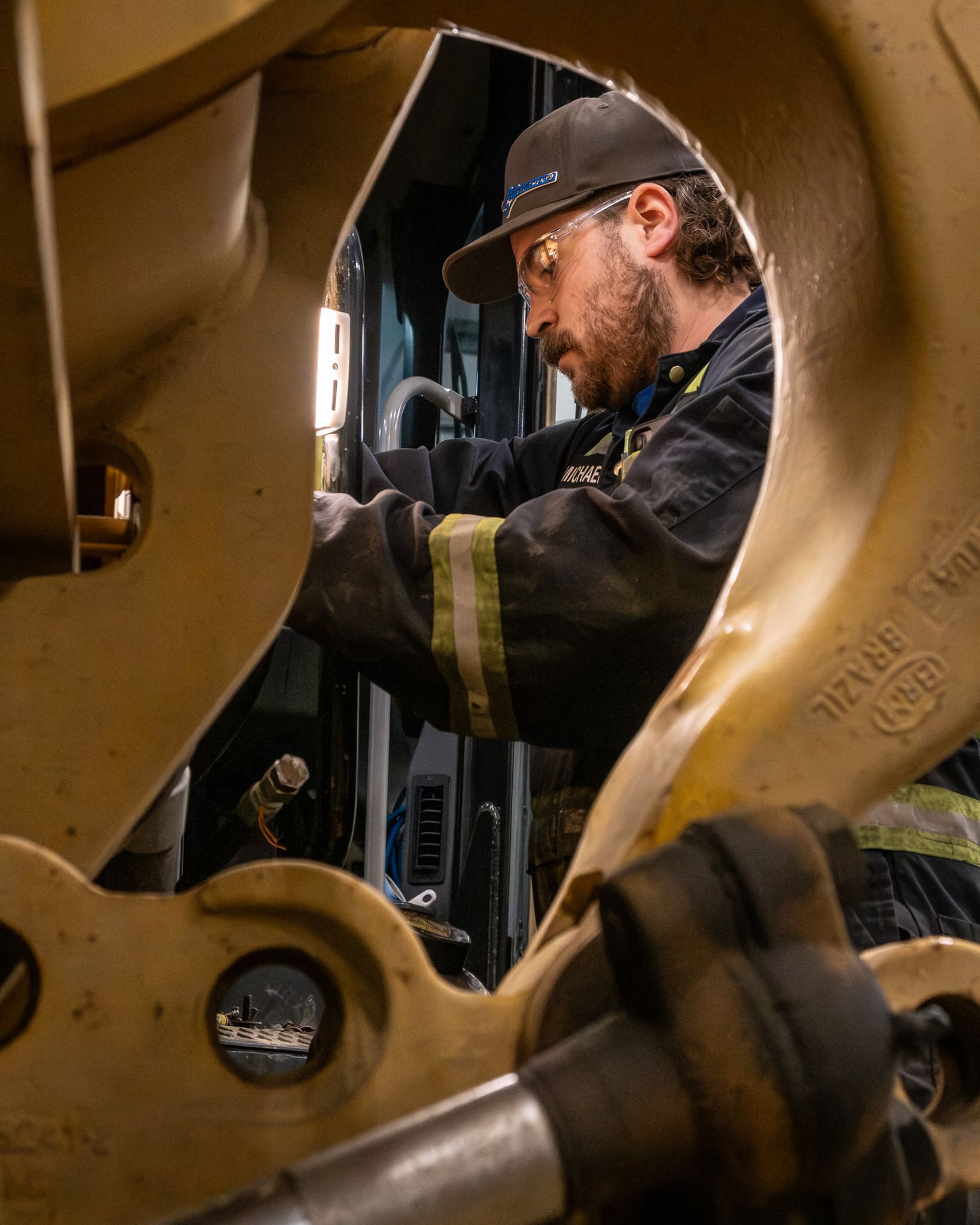
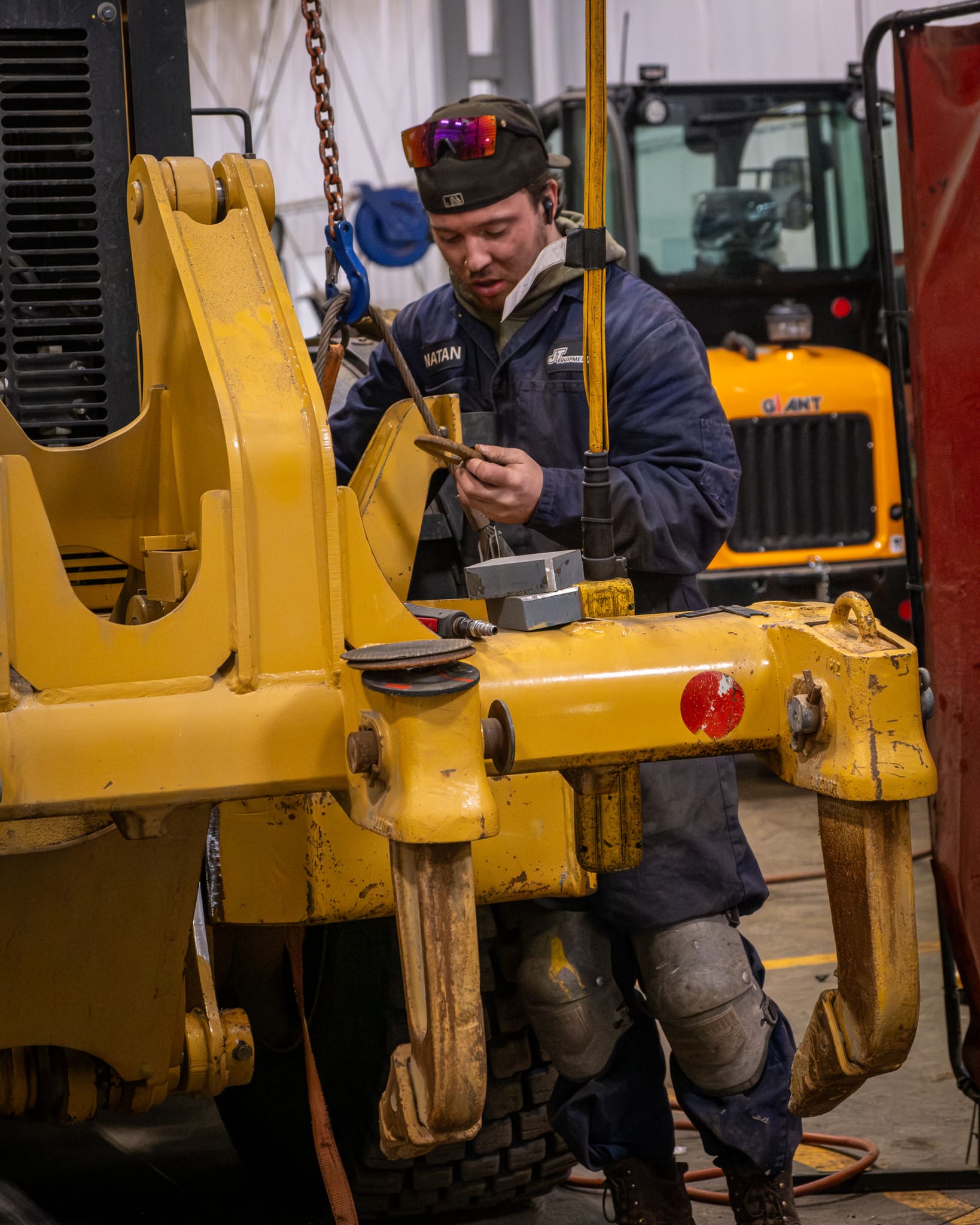
JT Equipment’s Calgary service department offers scheduled preventative maintenance for a wide range of heavy equipment makes and models. Our technicians follow manufacturer-recommended service intervals, document all findings, and flag developing issues before they become breakdowns.
Book an appointment today and keep your equipment where it belongs on the job site. Contact us!
Get a Quote Now
Ready to find the right equipment for your project? Get in touch with us today!